Blog post
NHS Home Eye Test
Matthew Burford BSc(Hons) Optometry MCOptom - Domiciliary Optician and Professional Services Manager at OutsideClinic
3-4 Minutes
If getting to a high-street optician is difficult because of an illness or disability, you may be eligible for an NHS-funded eye test in your own home.
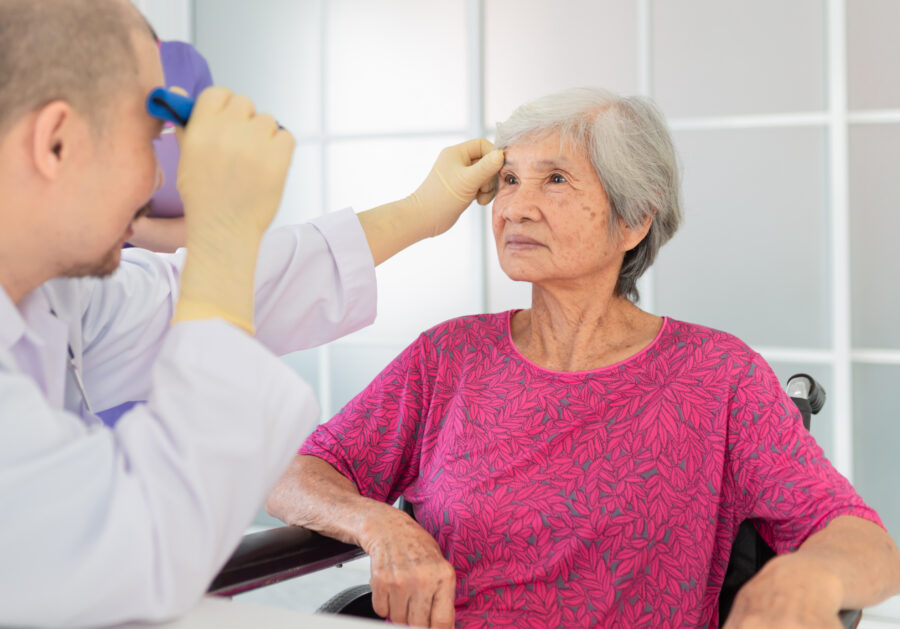
An NHS home eye test allows a qualified optician to come to you with the portable equipment needed to assess your eyesight and eye health. You can receive a professional eye examination without having to travel to an optician.
There are specific eligibility requirements for NHS-funded home eye tests. You must qualify for a free NHS sight test and be unable to leave your home unaccompanied because of physical or mental illness or disability.
OutsideClinic can help check whether you qualify and arrange for an optician to visit you at home.
Who is eligible for an NHS home eye test?
There are two parts to NHS home eye test eligibility. First, you need to qualify for a free NHS sight test. Second, you need to meet the criteria for having that test carried out at home.
Simply qualifying for a free NHS sight test does not automatically mean you qualify for a home visit.
You must qualify for a free NHS sight test
In England, you may be entitled to a free NHS sight test if you:
- are aged 60 or over
- are under 16
- are 16, 17 or 18 and in full-time education
- are registered as partially sighted or blind
- have been diagnosed with diabetes or glaucoma
- are aged 40 or over and have a parent, brother, sister or child who has been diagnosed with glaucoma
- have been advised by an ophthalmologist that you are at risk of glaucoma
- are eligible for an NHS complex lens voucher
- are entitled to or named on a valid HC2 certificate
- receive, or meet the relevant criteria through a partner or dependant receiving, certain qualifying benefits such as income-based Jobseeker's Allowance, Pension Credit Guarantee Credit or Universal Credit.
Eligibility can depend on your individual circumstances, particularly when it relates to benefits or help with health costs.
You must also qualify for an NHS home visit
Being entitled to a free NHS sight test is only the first requirement.
For an NHS-funded sight test to take place in your home, you must also be unable to leave home unaccompanied because of physical or mental illness or disability.
This is what makes the service different from simply choosing to have an eye test at home for convenience.
Do people aged 60 or over automatically qualify for a home eye test?
No. Being aged 60 or over means you're entitled to a free NHS sight test, but it doesn't automatically make you eligible to have that test at home.
You must also meet the NHS criteria for a home visit. This means being unable to leave your home unaccompanied because of physical or mental illness or disability.
If you're unsure whether your circumstances meet the requirements, OutsideClinic can help check your eligibility.
Can you get an NHS eye test in a care home?
Yes, eligible residents of residential and care homes can receive an NHS-funded sight test where they live.
You must qualify for a free NHS sight test and be unable to leave the care home unaccompanied because of physical or mental illness or disability.
This allows eligible residents to access professional eye care without needing to arrange a journey to an optician.
Can you have an NHS eye test at a day centre?
NHS mobile sight tests can also be provided at eligible day centres in certain circumstances.
You may qualify if physical or mental illness or disability makes it difficult to access sight-testing services at an optician's practice, or if you have difficulty communicating your health needs without assistance.
The rules for day-centre appointments differ slightly from tests carried out in your own home or a residential care home.
What if I'm not sure whether I'm eligible?
You don't need to work through all of the NHS rules by yourself before getting in touch.
OutsideClinic can ask you about your circumstances and help determine whether you meet the eligibility requirements for an NHS-funded home eye test.
If you aren't eligible for NHS funding but would still prefer to have your eyes tested at home, you may be able to arrange a private OutsideClinic home eye test instead.
Is an NHS home eye test free?
Yes. If you meet the eligibility criteria for an NHS-funded home eye test, there is no charge to you for the sight test or eligible home visit.
You don't have to pay simply because the optician is coming to your home.
If you don't meet the NHS eligibility requirements, OutsideClinic also offers private home eye tests for £60.
What happens during an NHS home eye test?
Having your eye test at home doesn't mean missing out on a thorough eye examination.
An OutsideClinic optician brings specialist portable equipment to you, allowing your eyesight and eye health to be assessed in familiar surroundings.
Your optician discusses your eyesight and health
Your appointment begins with a conversation about you and your eyesight.
Your optician may ask about your general health, medical history, family medical history and any changes or difficulties you've noticed with your vision.
It's useful to have your current glasses and details of any medication you take available for the appointment.
Your vision is checked
Your optician will assess how clearly you can see using portable testing equipment.
This includes checking your vision and determining whether your existing glasses prescription is still suitable for you.
If your prescription has changed, your optician can establish the lenses needed to help you see as clearly as possible.
Your eye health is examined
An NHS home eye test isn't simply a check to see whether you need new glasses. Your optician also examines the health of your eyes.
OutsideClinic opticians use portable clinical equipment to perform eye health checks in your home, including equipment designed to examine different structures of the eye.
These checks can help identify signs that may need monitoring, further investigation or referral.
Your eye pressure may be checked
Where appropriate, your optician can also measure the pressure inside your eyes.
Eye pressure is one of several measurements that can help an optician assess your eye health and look for signs associated with conditions such as glaucoma.
Your results are explained to you
Once your eye examination is complete, your optician will explain the results.
You'll have an opportunity to discuss your eyesight, prescription and any eye health findings, as well as ask questions about anything you're unsure about.
If further action is appropriate, your optician can explain what should happen next.
Is an NHS home eye test the same quality as a high-street eye test?
A home eye test is designed to provide a professional assessment of your vision and eye health without requiring you to travel to an optician.
OutsideClinic opticians bring specialist portable testing equipment into your home, allowing them to assess the same areas of your vision and overall eye health as they would during a high-street eye test.
The main difference is where your eye examination takes place. Instead of you travelling to the equipment, the optician brings the equipment and eye care to you.
How long does a home eye test take?
An OutsideClinic home eye test typically takes around an hour, although the exact length of your appointment will depend on your individual needs.
This gives your optician time to discuss your eyesight and health, carry out the necessary tests and explain the results without you having to travel to a practice.
Does an NHS home eye test include free glasses?
A free NHS home eye test does not automatically mean that your glasses will also be free.
Depending on your circumstances, you may be entitled to an NHS optical voucher to help towards the cost of glasses or contact lenses.
The amount of help available depends on your eligibility and, in some cases, your prescription. If the glasses you choose cost more than your voucher covers, you'll normally need to pay the difference.
Can I choose glasses during my home appointment?
If your eye test shows that you need new glasses, OutsideClinic can bring the process of choosing them into your home too.
Your optician can show you a selection of frames and discuss suitable lens options based on your prescription and needs.
There is no obligation to purchase glasses from OutsideClinic simply because you've had your eye test at home.
How often can you have an NHS home eye test?
How often you should have an eye test depends on your individual circumstances. For most people, routine eye tests are recommended at least every two years, but your optician may recommend a different interval based on your age, eye health, prescription or medical history.
You shouldn't wait for your next routine eye test if you're concerned about your vision or notice a significant change. Seek appropriate professional advice about new or worrying eye symptoms.
To receive subsequent eye tests at home through the NHS, you'll still need to meet the relevant NHS sight-test and home-visit eligibility requirements.
How do I book an NHS home eye test?
Booking an NHS home eye test with OutsideClinic starts with checking your eligibility.
OutsideClinic can help establish whether you're entitled to an NHS-funded sight test and meet the requirements for receiving your eye care at home. If you're eligible, an appointment can then be arranged for an optician to visit you.
Can somebody book an eye test on my behalf?
If you're arranging eye care for a relative or someone you support, you can contact OutsideClinic to discuss a home eye test on their behalf.
The person receiving the eye test will still need to meet the relevant NHS eligibility requirements for the appointment to be NHS-funded.
What should I have ready for my appointment?
It can be useful to have your current glasses available, along with details of any medication you take and relevant information about your medical and eye health history.
If you have questions or particular concerns about your eyesight, you may also want to make a note of these beforehand so you can discuss them with your optician during the visit.
Book your NHS home eye test with OutsideClinic
If getting to an optician is difficult because of an illness or disability, you may be able to receive your eye care without leaving home.
Book an OutsideClinic home eye test today and our team can help check whether you're eligible for an NHS-funded appointment and arrange a convenient home visit.