Blog post
The Hidden Impact of Missing an Eye Test

Matthew Burford BSc(Hons) Optometry MCOptom - Domiciliary Optician and Professional Services Manager at OutsideClinic
3/4 minutes reading time
It's easy to put off booking an eye test - especially when life feels busy and your sight seems fine. But research shows that skipping routine eye tests can have serious, unseen consequences for both eye health and overall wellbeing.
According to Vision Matters, an estimated 178 million people across Europe are putting themselves at risk of poorer health outcomes by missing regular sight tests. In the UK alone, the Macular Society found that nearly half of adults expect to experience some level of vision loss within the next 10 years (by 2034) - yet many still don't attend regular eye appointments.
So why does it matter so much? Because eye tests are about more than just reading letters on a chart.
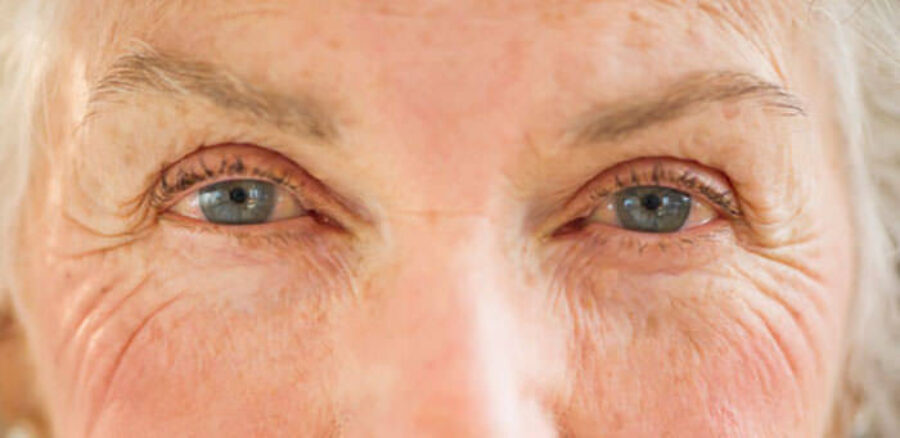
What your eye test can reveal
During a routine eye test, optometrists don't just check how well you can see - they also look for early signs of conditions that could threaten your sight or overall health.
A comprehensive test can detect:
- Glaucoma - which often develops silently without symptoms
- Cataracts - a common cause of cloudy or blurred vision
- Age-related macular degeneration (AMD) - the leading cause of vision loss in older adults
- Diabetes and high blood pressure - both of which affect the tiny blood vessels in your eyes
Spotting these problems early means they can be treated or managed before they affect daily life - preserving both independence and confidence.
How often should you have an eye test?
the NHS recommends an eye test every two years, or more often if advised by your optometrist. Those over 70, with certain medical conditions like diabetes and glaucoma, may be advised to have them annually.
If you care for someone who struggles to leave home, it's reassuring to know that NHS-funded home eye tests are available. These work just like an in-practise test - using portable equipment to check vision, eye health and glasses prescription - but in the comfort of the person's home.
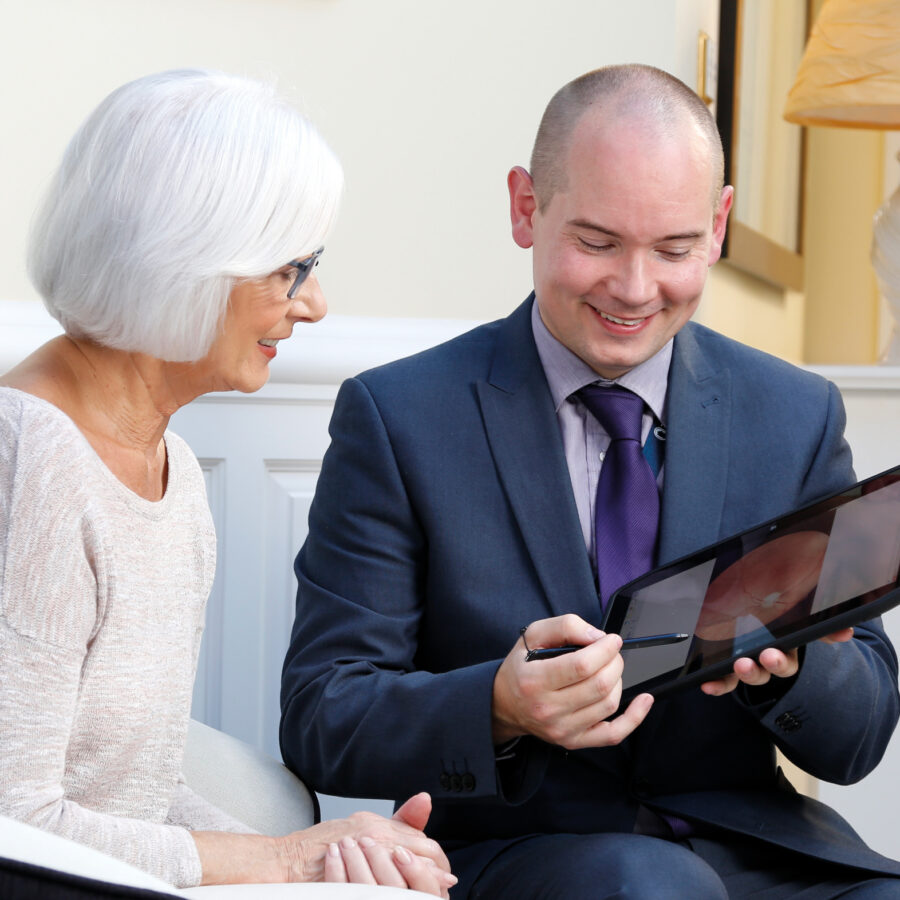
The wider impact of skipping an eye test
Poor eyesight doesn't just make reading or watching TV more difficult. It can also:
- Increase the risk of falls and accidents
- Lead to loss of confidence when moving around
- Affect mental wellbeing, independence and quality of life
By staying on top of regular eye tests, you can help prevent these issues before they start - protecting your sight and overall health for the long term.
Don't wait for symptoms to appear
Many eye conditions develop gradually and painlessly, meaning you might not notice any changes until damage has already occurred. A regular eye test is the best way to catch these issues early - when treatment can make the biggest difference.
If you care for an older family member or someone who can't get to a high-street optician, booking a home eye test is one of the simplest ways to protect their sight and wellbeing.