Blog post
Using Smart Speakers to Stay Independent
Technology is playing a growing role in helping older adults stay safe, connected and independent at home. One of the simplest examples is the smart speaker - devices like Amazon Alexa or Google Home that respond to voice commands.
While many people use them to play music or check the weather, these smart assistants can do much more. With the right setup, they can offer practical daily support, reassurance for family members and even a sense of companionship.
How smart speakers help at home
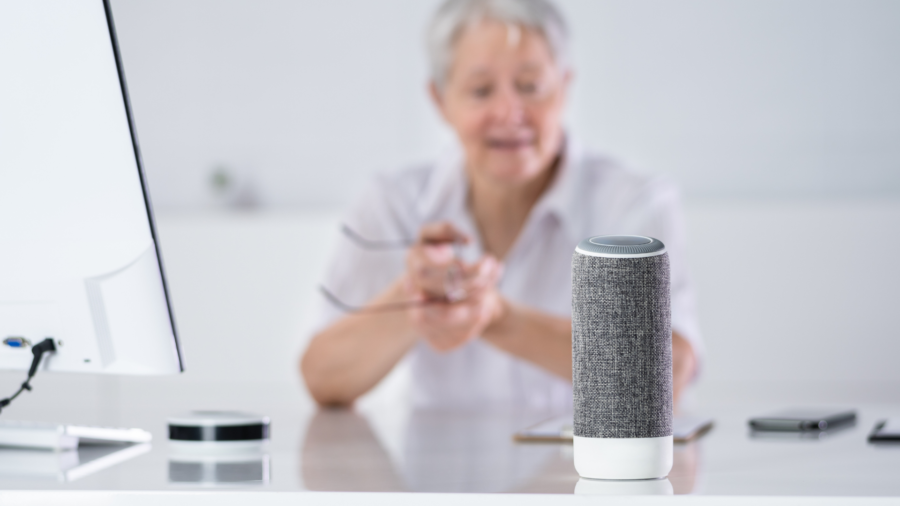
For older people - or those supporting someone who lives alone - smart speakers can make everyday tasks easier and safer.
You can use simple voice commands such as:
- "Alexa, what's the weather like?" to plan your day before leaving the house.
- "Alexa, remind me to take my medication at 8am" to keep track of prescriptions.
- "Alexa, call my daughter" to make hands-free phone or video calls.
You can even link the speaker to lights, heating or plugs to control appliances using your voice, reducing the need to move around or reach for switches - a big help for those with mobility issues.
Improving safety and peace of mind
Smart speakers can also connect to other smart home devices for added safety.
You can set them up to:
- Turn lights on automatically when you enter a room or at sunset.
- Alert family or carers if you need help.
- Check doors are locked or appliances are off, giving peace of mind at bedtime or when leaving the house.
According to Care England, voice technology is already being used in social care settings to increase independence and reduce isolation, showing how valuable these tools can be when tailored to individual needs.
Staying connected and confident
Beyond practical support, smart speakers can help reduce feelings of loneliness. They ca read the news aloud, play favourite radio stations, tell jokes or even lead gentle exercises, bringing a sense of routine and companionship into the home.
For carers, these features offer reassurance that loved ones can stay engaged and maintain a sense of independence - even when they can't be there in person.
Getting started
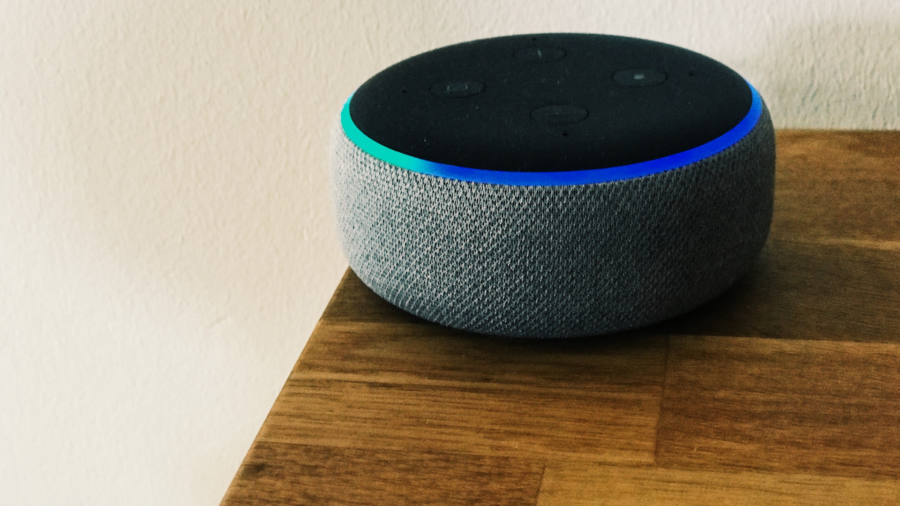
Setting up a smart speaker is straightforward, and many devices include accessibility features like clearer voice options and slower speech rates.
You can start small - using it for reminders or music - and add more functions over time, such as linking to home lighting or calling features.
If you're helping someone set up their device, make sure it's placed somewhere they can speak to it easily and hear it clearly.
Supporting independence through technology
Smart speakers aren't just gadgets - they're a simple, affordable way to make life easier and safer. Used alongside regular hearing and vision checks, they can help people stay connected, confident and independent in their own homes.