Blog post
Coloboma: What it is, Affects on the Eye, Causes and Blindness Risks

Vishal Khurana BSc(Hons) McOptom - Domiciliary Optometrist and Director of Business Development
5 minute read time
What is coloboma?
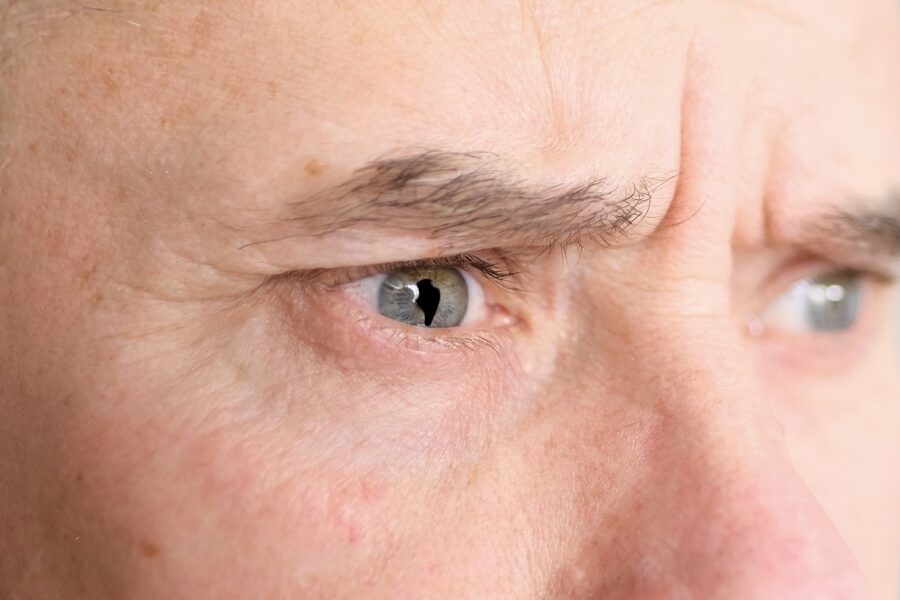
Coloboma is a rare eye condition where normal tissue in or around the eye is missing from birth.
It can affect one or both eyes and can involve different parts of the eye, such as the iris, retina, choroid, or optic nerve.
How does it affect the eye? Can it cause blindness?
Coloboma can impact vision depending on which part of the eye is affected.
For instance, a coloboma of the iris might not significantly affect vision, but if it affects the retina or optic nerve, it can lead to more serious vision problems, such as blurred or distorted vision.
While coloboma can lead to significant vision impairment, it doesn't always result in blindness.
The severity depends on the extent of the condition and the specific part of the eye involved. Some individuals might have near-normal vision, while others may experience substantial vision loss.

What causes it?
Coloboma happens when the eye doesn’t fully develop before birth.
This can happen on its own or be linked to certain genetic conditions or syndromes.
Is it considered a disability in the UK?
Yes, coloboma can be considered a disability in the UK if it significantly impairs vision.
Whether it qualifies as a disability depends on the severity and how it affects daily activities.
Can coloboma be fixed?
There is no cure for coloboma, as the missing tissue cannot be replaced.
However, various treatments can help manage the symptoms and improve vision depending on the severity and location of the coloboma.
How is coloboma treated?
Treatment focuses on managing symptoms and optimising remaining vision.
This might include wearing glasses or contact lenses, using low vision aids or in some cases, surgery to improve the appearance of the eye or to address complications.
How common is coloboma?
Coloboma is considered a rare condition, affecting about 1 in 5,000 births.
Because of its rarity, it's not widely recognised, but it can have a significant impact on those affected.
Can coloboma change with age?
Coloboma itself doesn’t change over time since it is a congenital condition.
However, the impact on vision can change with age, particularly if other eye conditions develop later in life.
Is coloboma genetic or hereditary?
Coloboma can be genetic or hereditary, especially when it occurs as part of a syndrome.
However, it can also occur without a clear genetic link. If there's a family history of coloboma or related syndromes, genetic counselling might be recommended.