Blog post
Hopi Ear Candling: What You Need to Know

Richard Parsons - Training Manager
5 minute read time
Ear candling, also known as Hopi ear candling, has been a popular alternative treatment for ear wax removal for many years.
While it may seem like a natural solution for cleaning the ears, it is essential to understand whether it is actually effective, and if it could potentially cause harm.
What is Hopi ear candling and how is it supposed to work?
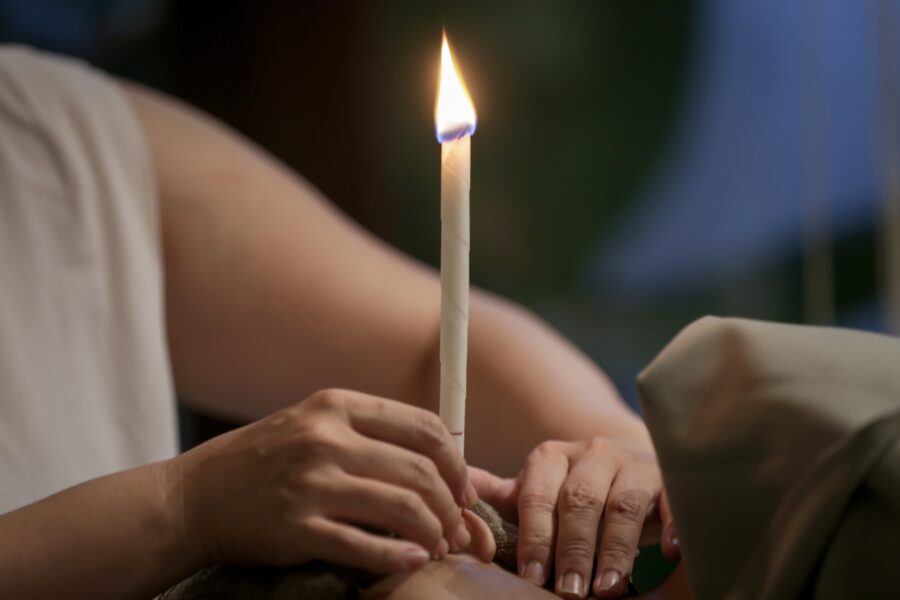
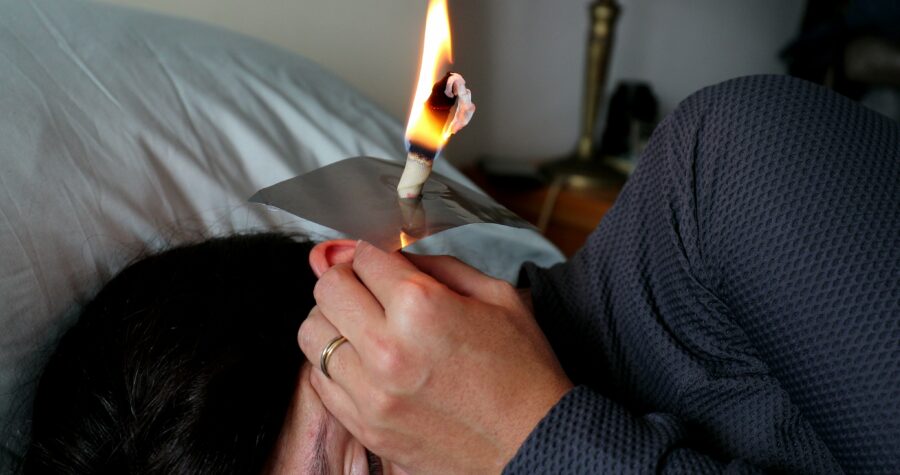
Hopi ear candling involves placing a hollow candle, usually made of beeswax, over the ear canal and lighting the other end.
The theory behind ear candling is that the heat from the flame creates a vacuum within the candle, which allegedly sucks out wax and other debris from the ear canal.
Many people seek this treatment as an alternative way to address issues such as earwax build up, sinus pressure or even conditions like tinnitus (ringing in the ears).
Does ear candling really work?
The short answer is no - there is no scientific evidence to support the claims that ear candling works.
Research has consistently shown that ear candling does not effectively remove ear wax or help with conditions such as tinnitus, ear infections, vertigo or sinus congestion. In fact, there is no medical basis for the supposed benefits of this treatment.
The heat generated from the candle is simply not sufficient to create a vacuum strong enough to draw wax from the ear canal.
Also, the ear canal is a delicate area of the body, and it is highly unlikely that a candle can create a seal tight enough to extract wax or debris from it.
When people open up the ear candle after the treatment, they often find what appears to be a waxy substance inside. However, it’s important to note that this is not ear wax. You can easily test this yourself by burning an ear candle without placing it anywhere near your ear. You will still see a waxy substance accumulate inside the candle. This substance is not related to ear wax and is simply residue from the candle itself.
Is ear candling dangerous? Could it be bad for me?
Ear candling can pose some risks.
The most significant risk is the live flame near the sensitive skin of the ear. Accidental burns or injuries from the flame are possible, especially if not conducted by a trained professional.
There is also the potential for the candle to drip hot wax into the ear canal, which could lead to damage to the ear.
Some individuals may find the process relaxing, but it is crucial to be aware of the potential hazards. If you are considering ear candling, it is always advisable to consult with a healthcare professional first.
What is the safest way to remove ear wax at home?
If you or a loved one are experiencing earwax build up, it’s important to explore safer and more effective treatment options.
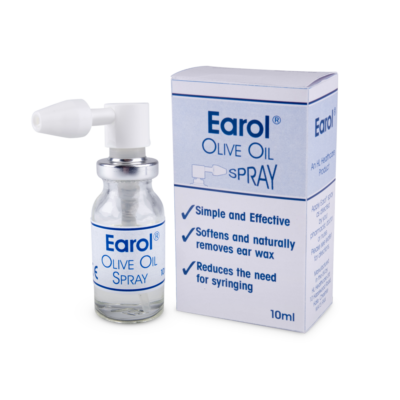
One of the simplest and most effective methods is using olive oil ear drops or sprays, such as Earol Olive Oil Spray, to soften the wax. Earol Olive Oil Spray is a natural solution and is specifically recommended by audiologists here at OutsideClinic for its effectiveness in easing wax removal.
Additionally, never use cotton wool buds for cleaning the ear. Cotton buds can push the wax deeper into the ear canal. Regular use of cotton buds should be avoided, as ear wax actually plays a crucial role in ear health.
Just like your nasal cavities, your ear canal needs a certain amount of wax to keep it clean. It has natural antifungal and antibacterial properties that help prevent infections and keep the ear healthy.
Imagine how dry and sore your nose would become if you cleaned it out every day - your ears need that same balance.
What about getting ear wax removed professionally?
In some areas of the UK, we are able to offer professional ear wax removal as part of our service.
If you have persistent ear wax issues or conditions like tinnitus or ear infections, our audiologists are here to provide expert guidance and treatment tailored to your needs.