Blog post
Why Night Driving Feels Harder - What You Can Do To Stay Safe

Matthew Burford BSc(Hons) Optometry MCOptom - Domiciliary Optician and Professional Services Manager at OutsideClinic
3/4 minutes reading time
If you've noticed night driving becoming more difficult, you're far from alone. Many people say headlights feel brighter and more dazzling than they used to, and others find that their vision simply isn't as sharp in low light as it once was. Together, these changes can make journeys feel more tiring, more stressful and sometimes even unsafe.
The good news is that there are clear explanations and practical steps you can take to feel more confident behind the wheel again.
Why headlights feel brighter than before
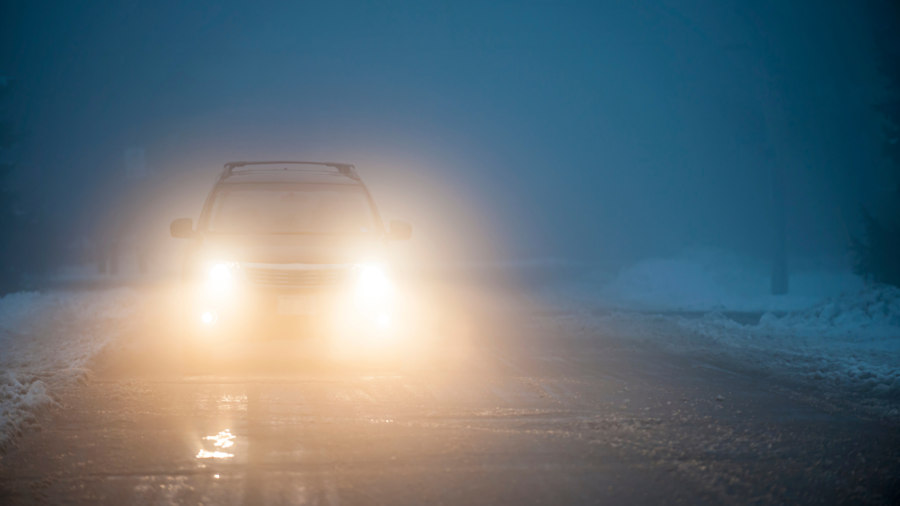
In a recent RAC survey, many drivers report that modern headlights seem intensely bright, especially on dark or unlit roads. Some experience temporary loss of clear vision after facing oncoming traffic or find that glare makes it harder to see road markings or hazards clearly.
Newer lighting technologies, including LED headlights, can create a beam that feels sharper or more intense, even when the lights meet legal standards. If the headlights are misaligned, or if your eyes are adjusting from darkness to sudden brightness, the glare can feel even stronger.
Older drivers may notice this more, as changes in the eye over time can make light scatter differently, causing glare to feel uncomfortable or overwhelming.
How your eyes change in low light
Driving at night is naturally more demanding on the eyes. As we get older, the lens inside the eye becomes less flexible and less clear, meaning it doesn't focus or transmit light as effectively as it once did. This makes it harder to adapt between bright headlights and darker surroundings.
You might notice:
- Glare from headlights or streetlights
- Halos or starbursts around lights
- Blurred vision or reduced contrast
- Slower adjustment between bright and dark areas
These changes are common, but they can also be linked to specific eye conditions that affect night vision.
Common reasons night driving becomes harder
Cataracts
When the lens becomes cloudy, light scatters rather than focusing properly. This increases glare and reduces contrast - issues that can be especially noticeable at night.
Astigmatism
An irregularly shaped cornea r lens bends light unevenly. In the dark, when pupils widen, this can cause more glare or blurring from oncoming lights.
Dry Eyes
A dry or uneven tear film affects how clearly light enters the eye, making vision appear hazy or smeary at night.
Glare sensitivity or outdated prescription
Even a small change in your glasses can noticeably impact night-time clarity.
Practical steps to stay safer and more comfortable at night
There are several simple adjustments that can make a big difference:
- Keep your windscreen clean: dirt scatters light and increases glare.
- Check your headlight alignment: misaligned light reduces what you can see and can dazzle others.
- Use the night setting on your rear-view mirror (if available) to reduce glare from behind.
- Dim your dashboard lights so your eyes adjust better to the darkness outside.
- Slow down on darker roads to give yourself more time to react when glare affects visibility.
- Avoid looking directly at oncoming headlights: look slightly to the side of them.
- Keep your glasses or lenses clean to minimise smear and halos.
These steps won't change how bright headlights are - but they can make night driving feel more manageable and reduce the strain on your eyes.
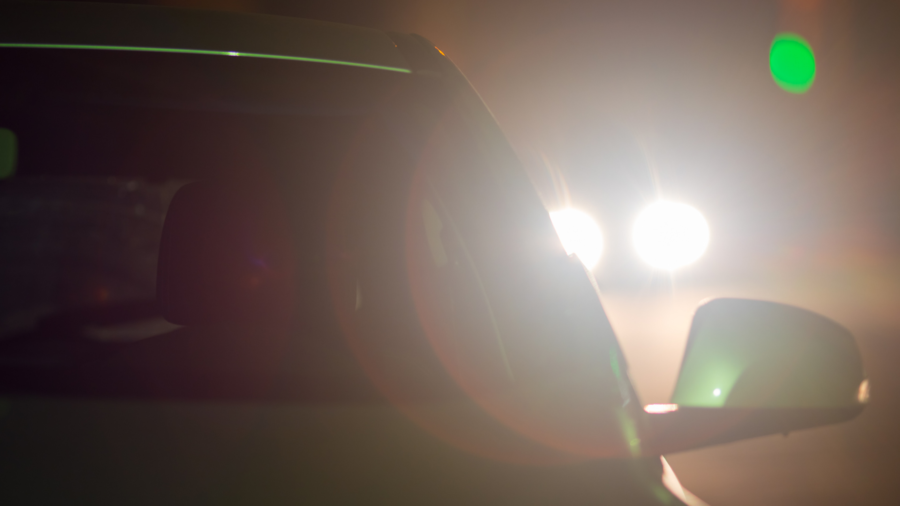
Night driving doesn't have to feel difficult
Night-time visibility naturally becomes more challenging over time - and today's brighter headlights can add to that. But with the right support and a few practical adjustments, you can feel more confident on the road again.
If you've noticed changes in how well you see after dark, booking an eye test is a simple, reassuring first step.