Blog post
What is Snow Blindness? Causes and Prevention

Matthew Burford BSc(Hons) Optometry MCOptom - Domiciliary Optician and Professional Services Manager at OutsideClinic
3/4 minutes reading time
During the colder months, most of us take extra care to stay warm and safe - wrapping up in layers, wearing sensible shoes to prevent slips on ice and keeping our skin protected from the cold. But one part of the body we often forget to shield properly is our eyes.
On bright, crisp winter days, sunlight can reflect off snow and ice with surprising strength. While we usually associate sun protection with summer, your eyes can still be exposed to harmful UV rays in winter - especially in snowy conditions.
This overexposure can cause a painful condition known as snow blindness.
What is snow blindness?
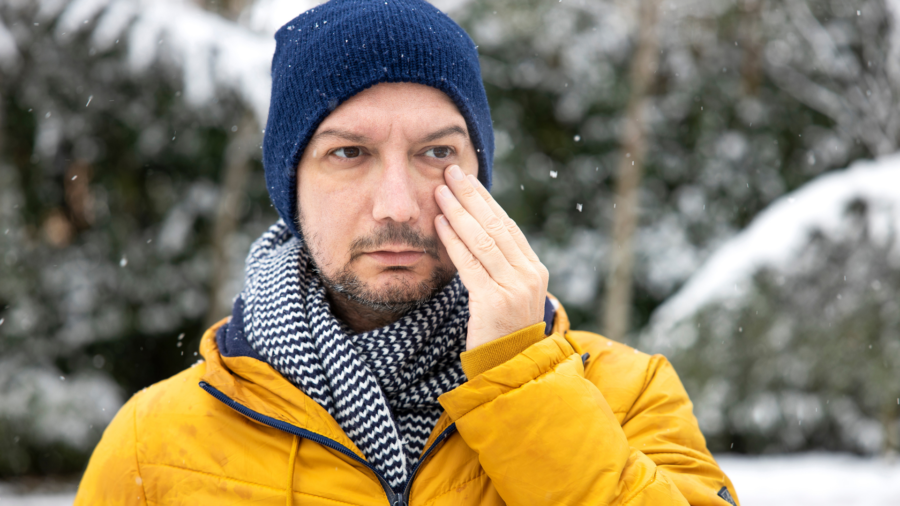
Snow blindness is the common name for photokeratitis - a temporary injury to the clear front surface of the eye (the cornea) caused by overexposure to ultraviolet (UV) light.
It's sometimes called sunburn of the eye, and it can happen anywhere the sun's rays are strong or reflected off bright surfaces such as snow, ice, water or even sand.
Because snow can reflect more than 80% of UV rays, the risk is particularly high in winter and at high altitudes, where sunlight is more intense.
What causes snow blindness?
Just like the skin, the eyes can only tolerate a certain amount of UV light. Too much UV exposure damages the cells on the surface of the cornea.
It doesn't usually happen immediately - symptoms tend to appear several hours after being outdoors.
Common signs include:
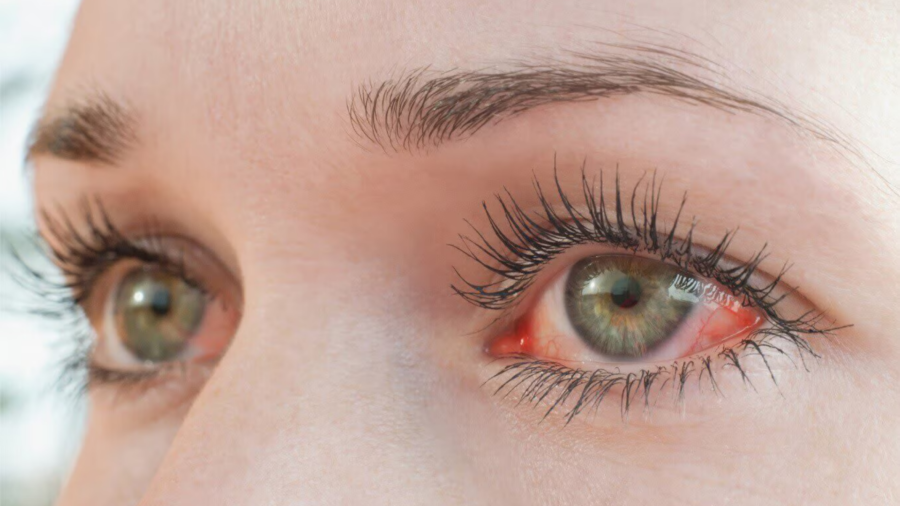
- Painful, gritty or burning eyes
- Redness and watering
- Blurred vision or sensitivity to light
- The feeling that there's something in your eye
Both eyes are usually affected, and while it can be very uncomfortable, photokeratitis is temporary in most cases. The surface of the eye generally heals within 24 to 48 hours, as long as further UV exposure is avoided.
How to prevent snow blindness
The good news is that snow blindness is easily preventable with proper eye protection.
Here's how to keep your eyes safe in bright winter conditions:
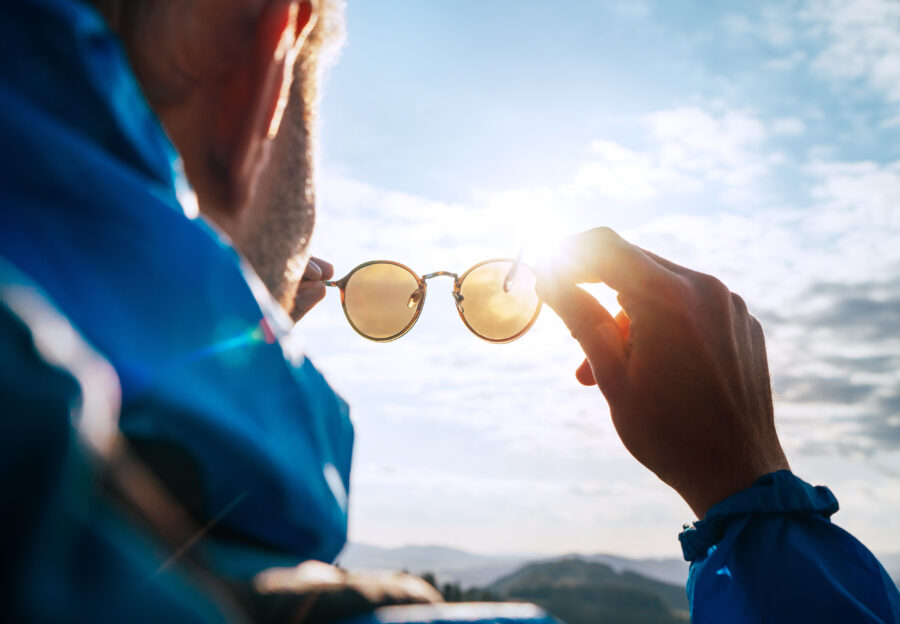
- Wear sunglasses or goggles with full UV protection. Check for a label that says '100% UV protection' or 'UV400'.
- Choose wraparound styles or goggles that fit closely to block sunlight from entering around the sides.
- Don't be fooled by cloudy weather. Up to 80% of UV rays can still pass through clouds.
- Take care at high altitudes. UV rays are stronger the higher you go, so extra protection is needed for skiing, snowboarding or mountaineering.
- Avoid looking directly at bright reflections from snow or ice, especially for long periods.
- For those who wear prescription glasses, opt for prescription sunglasses or clip-on lenses with UV filters.
What to do if someone has snow blindness
If someone develops symptoms after being out in bright snow, the most important thing is to get out of the sunlight and rest the eyes.
Remove contact lenses (if worn), keep the eyes closed if they feel sore and avoid rubbing them. Artificial tears or a cool compress can help ease discomfort.
If pain or vision changes persist, contact an optometrist or eye care professional for advice. In rare cases, more severe damage may need further assessmnet.
Protect your eyes year-round
UV light isn't just a summer problem - snow, water and even pavements can reflect sunlight all year round. Making UV protection part of your routine is one of the easiest ways to look after your eyes.
If you've noticed any changes to your vision or want to check your overall eye health, book an appointment with one of our optometrists.