Blog post
Is There a Dry Eye Epidemic?

Matthew Burford BSc(Hons) Optometry MCOptom - Domiciliary Optician and Professional Services Manager at OutsideClinic
3/4 minutes reading time
If your eyes often feel gritty, sore or watery, you’re not alone.
In recent years, dry eye has become increasingly common – so much so that some expects are calling it a modern-day epidemic.
From spending more time on screens to heating our homes through the colder months, there are many everyday factors that can leave our eyes feeling uncomfortable. The good news is that help is available, and simple lifestyle changes can make a big difference.
What is dry eye?
Dry eye happens when your eyes don’t produce enough tears, or when the quality of your tears changes, meaning they evaporate too quickly.
Tears aren’t just for emotion – they form a delicate protective film that keeps your eyes hydrated, clean and healthy. When this balance is disrupted, the surface of the eye becomes dry and irritated.
Common symptoms include:
- Soreness, burning or stinging
- A gritty or sandy feeling
- Blurred vision that improves when you blink
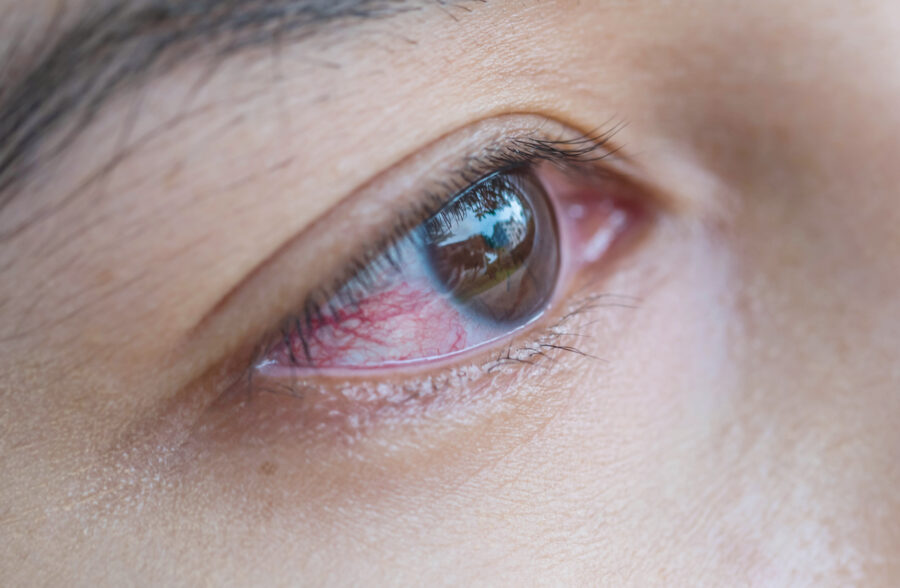
- Redness or watering (as your eyes try to overcompensate)

Why dry eye is becoming more common
According to research highlighted by SpaMedica, screen time is one of the biggest reasons behind the rise in dry eye cases.
When we look at screens – whether on a phone, computer or TV – we blink up to 60% less often, which reduces tear production and allows the surface of the eye to dry out.
Other contributing factors include:
- Age: tear production naturally decreases over time, making dry eyes more common as we get older.
- Environment: central heating, air conditioning, smoke and windy weather can all dry out the eyes.
- Medication or health conditions: some medicines and medical conditions, such as arthritis, can affect tear quality or production.
- Contact lens wear: lenses can sometimes interfere with the natural tear film, leading to dryness or irritation.
Treating and managing dry eye
Dry eye can usually be managed with simple steps and advice from your optometrist.
Depending on the cause and severity, treatments may include:
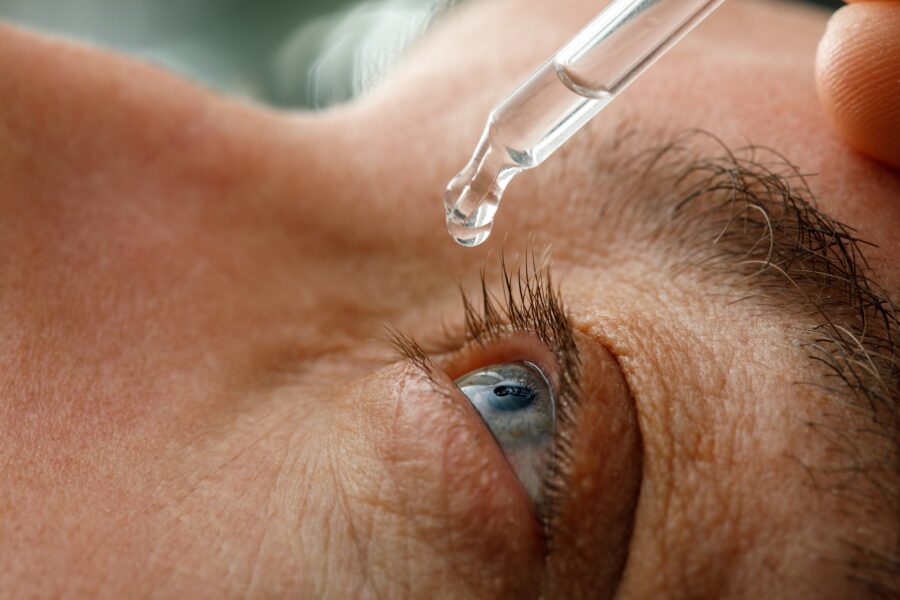
- Lubricating eye drops or gels to replace or support natural tears.
- Adjusting your environment: using a humidifier, reducing screen glare or avoiding direct heat sources.
- Taking regular screen breaks using the 20-20-20 rule (every 20 minutes, look 20 feet away for 20 seconds).
- Wearing protective eyewear outdoors to shield against wind and cold.
- Prescription treatment if over-the-counter drops don't relieve symptoms.
Left untreated, chronic dry eye can lead to long-term discomfort or even damage to the surface of the eye – so it’s worth getting checked if symptoms persist.
When to book an eye test
If your eyes are feeling dry or irritated more often than not, a comprehensive eye test can help identify the cause and ensure you get the right treatment.
Your optometrist can check tear production, examine the eye’s surface and suggest tailored solutions – whether that’s new eye drops, lifestyle adjustments or further investigation if needed.