Blog post
Understanding Eye Floaters: Causes, Treatments, and When to Seek Help

Matthew Burford BSc(Hons) Optometry MCOptom - Domiciliary Optician and Professional Services Manager at OutsideClinic
5 minute read time
What are eye floaters?
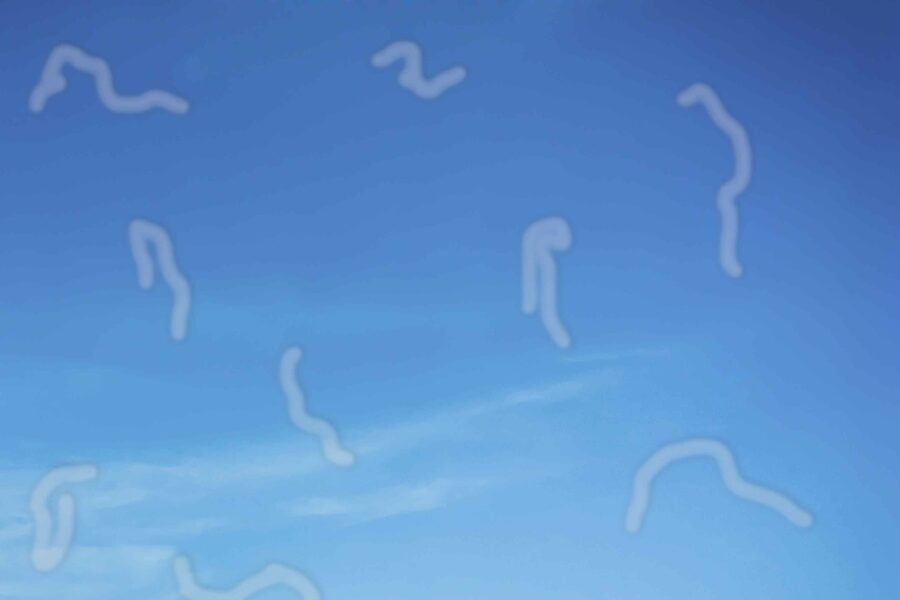
Eye floaters appear as small spots, threads or cobweb-like shapes that drift across your field of vision. They are especially noticeable when looking at a plain, bright surface, such as a clear sky or a white wall.
These floaters are tiny clumps of collagen or other proteins within the vitreous gel - the clear, jelly-like substance that fills the inside of your eye.
What causes eye floaters?
Eye floaters typically occur as part of the natural ageing process, as the vitreous gel becomes more liquid and microscopic fibres clump together. Other potential causes include:
- Posterior vitreous detachment (PVD): A condition where the vitreous gel pulls away from the retina.
- Retinal detachment: Floaters with flashes of light or shadowed vision may signal a retinal detachment.
- Eye trauma: Injuries to the eye can cause floaters.
- Inflammation: Conditions like uveitis can result in floaters.
- Diabetes: Diabetic retinopathy can contribute to floaters.
- Cataract surgery: Floaters are a common occurrence following cataract surgery as the eye heals and adjusts.
- Diabetes: Diabetic retinopathy can cause floaters due to damage to the retina.
- Pregnancy: Hormonal changes during pregnancy can occasionally lead to floaters.
- High blood pressure: Chronic hypertension may impact retinal health, contributing to floaters.
- Migraines: Some individuals experience visual disturbances, including floaters, during migraines.
What do they look like?
Floaters vary in appearance. Some people describe them as:
- Small dots or specks
- Thread-like strands
- Cobweb-like formations
- Shadowy shapes that move as the eye shifts
Should I be concerned about floaters with flashes?
Floaters accompanied by flashes of light can indicate retinal detachment or tearing. You should seek urgent medical attention if you experience these symptoms. You should visit an Optician immediately and if this is not feasible you should attend A&E.
How are eye floaters treated?
- Observation: In most cases, no treatment is necessary. Regular monitoring during routine eye tests is recommended.
- Vitrectomy: A surgical procedure that removes the vitreous gel and replaces it with a clear solution. This is typically reserved for severe cases.
- Laser therapy: A specialist may use lasers to break up larger floaters. Laser therapy may also be used to treat a retinal detachment or tearing.
Can eye floaters go away on their own?
In many cases, floaters become less noticeable over time as the brain adapts and learns to ignore them. However, they are unlikely to disappear entirely.
How to reduce floaters in eyes naturally
While you cannot eliminate floaters entirely, these natural approaches may help:
- Maintain a healthy lifestyle: A balanced diet rich in antioxidants can support eye health.
- Stay hydrated: Proper hydration helps maintain the consistency of the vitreous gel.
- Protect your eyes: Wear sunglasses to reduce strain from UV exposure.
- Eye exercises: Gentle eye movements may help shift floaters out of the direct line of sight.
Are there eye drops for eye floaters?
While no specific eye drops eliminate floaters, lubricating or anti-inflammatory drops can alleviate symptoms if dryness or inflammation is present. Always consult your Optician before trying new treatments.
When to book an eye test
If you are experiencing eye floaters and:
- They suddenly increase in number.
- They are accompanied by flashes of light.
- You notice any loss of peripheral vision.
- You have underlying health conditions like diabetes or hypertension.
Whether you're experiencing symptoms like floaters or simply due for a routine check, arranging a home eye test with OutsideClinic offers a convenient way to prioritise your eye health.
Our Opticians provide thorough assessments in the comfort of your home with portable testing equipment, ensuring a comprehensive understanding of your vision needs.