



Detached Retina: Signs, Symptoms, Causes and Surgery
Learn what causes a detached retina, its symptoms and treatment options. Discover how early diagnosis and surgery can help prevent permanent vision loss.
Vishal Khurana BSc(Hons) McOptom - Domiciliary Optometrist and Director of Business Development · 27 August 2024
What is a detached retina?
A detached retina occurs when the thin layer of tissue at the back of the eye (the retina) pulls away from its normal position.
The retina is crucial for vision as it sends visual signals to the brain, and when it detaches, it can lead to serious vision problems.
Retinal detachment is relatively uncommon, affecting about 1 in 10,000 people each year.
However, the risk increases with age and in those with high myopia or previous eye surgeries.
What are the signs and symptoms of a detached retina?
Common signs and symptoms include:
- A sudden increase in floaters (small specks or shapes that drift in your field of vision).
- Flashes of light in one or both eyes.
- A shadow or curtain-like effect over part of your visual field.
- Blurred vision or a sudden decrease in vision.

A detached retina itself is not usually painful, but the symptoms such as flashes of light, floaters, and loss of vision are alarming and should prompt immediate medical attention.
Can a detached retina cause blindness?
Yes, a detached retina can lead to permanent blindness if not treated promptly. The retina needs to be reattached as quickly as possible to restore and preserve vision.
How is a detached retina treated?
A detached retina will not heal on its own. It requires medical treatment to prevent complete detachment and preserve vision.
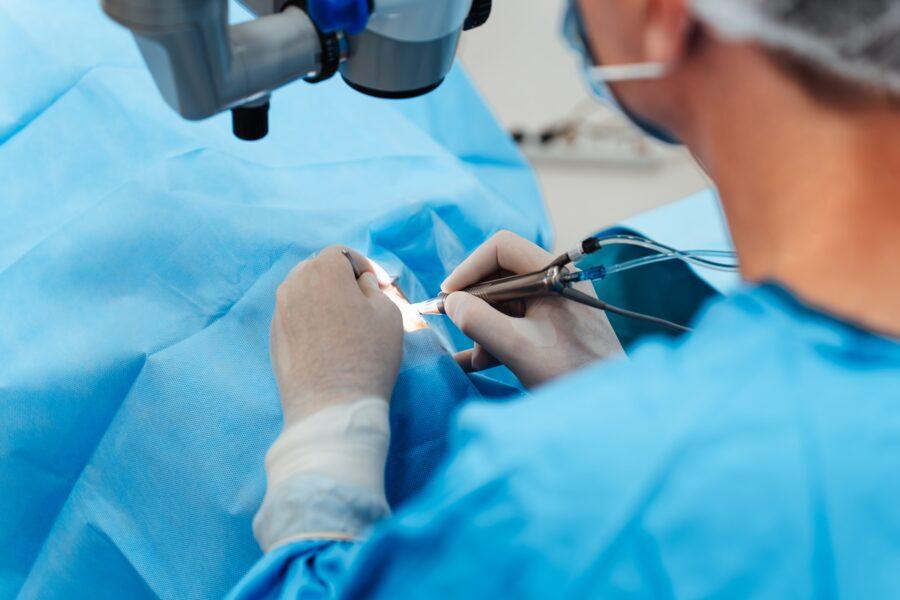
Treatment usually involves surgery to reattach the retina.
The type of surgery depends on the severity of the detachment and may include procedures like laser surgery (photocoagulation), cryopexy (freezing), or more complex operations like scleral buckle or vitrectomy.
Recovery time can vary, but most people need several weeks to several months to recover fully.
During this time, patients are advised to avoid strenuous activities and follow specific post-operative care instructions from their doctor.
Can a detached retina be treated without surgery?
In some very minor cases where the retina is only slightly torn but not yet detached, laser surgery or cryotherapy might be used to seal the tear and prevent detachment.
However, once detachment occurs, surgery is typically required.
What causes a detached retina?
A detached retina can be caused by several factors, including:
- Aging: The most common cause is related to age, as the vitreous (the gel-like substance inside the eye) shrinks and pulls away from the retina.
- Trauma: A blow to the eye can cause retinal detachment.
- Previous eye surgery: Such as cataract removal.
- Rubbing your eye: Excessive or forceful rubbing can, in rare cases, contribute to retinal detachment, especially in those already at risk.
- Severe nearsightedness: People with high myopia are at greater risk.
- Stress and high blood pressure: While stress and high blood pressure don't directly cause retinal detachment, they can exacerbate conditions that might lead to detachment.
How is a detached retina diagnosed?
An eye care professional can detect a detached retina using equipment like an ophthalmoscope.
Diagnosis is typically made through a thorough eye examination, which may include:
- Dilated eye exam: To view the retina and any tears or detachment.
- Ultrasound imaging: If the retina cannot be seen directly due to bleeding or other issues.
- Optical coherence tomography (OCT): To get a detailed image of the retina's layers.
Ready when you are
Book online, or call us free on 0800 60 50 40 if you’d like to speak to a real person.
Book your at-home visitFind out about at-home eye tests